The Blockchain's Evolution Beyond Bitcoin: Why the Future of Crypto Just Got Brighter
Alright, folks, buckle up. I know the headlines are grim: Charlie Kirk, a prominent voice in conservative circles, murdered. A suspect apprehended. SA Police investigating social media post allegedly made by employee celebrating death of Charlie Kirk. It's a whirlwind of tragedy and outrage. But *beyond* the immediate horror, there's a deeper, more unsettling current flowing beneath the surface, a current that's reshaping the very landscape of digital extremism and accountability. This isn't just about one man's death; it's about the future of our discourse, the safety of our public figures, and the responsibility we *all* bear in this increasingly volatile digital age.
A Powder Keg Ignites: The Immediate Fallout
The Immediate Aftermath The speed at which this unfolded is frankly terrifying. Just hours after the shooting, details were emerging, arrests were made (and then un-made, a point we'll circle back to), and social media was, predictably, ablaze. The suspect, Tyler Robinson, allegedly left behind a note declaring his intent to "take out Charlie Kirk." DNA at crime scene matches Charlie Kirk murder suspect, FBI says. The Utah Governor pointed fingers at Robinson's "leftist ideology" and a relationship with a transgender roommate. It's a powder keg of political, social, and personal elements, ignited by a single, devastating act of violence.Breaking the Echo: Rehumanizing Discourse in the Digital Age
The Echo Chamber Effect But here's the thing: this wasn't some isolated incident. It's a symptom of a much larger problem. We've built these echo chambers online, these digital fortresses where people retreat to hear only what they already believe. And in those chambers, extremism festers, hate speech flourishes, and the line between online rhetoric and real-world action blurs to the point of non-existence. Kirk, for all his political stances, became a target, dehumanized by those who disagreed with him, reduced to a caricature in the eyes of his detractors. And that dehumanization, that relentless barrage of negativity, can have devastating consequences.Social Media: A Blessing and a Curse?
Social Media's Double-Edged Sword Think about it: the printing press, a revolutionary technology that democratized information and empowered individuals. But it also unleashed a torrent of propaganda, misinformation, and conspiracy theories. Social media is our modern printing press, exponentially more powerful, more pervasive, and more easily weaponized. It connects us, yes, but it also isolates us, radicalizes us, and provides a platform for those who seek to do harm.Online Actions, Real-World Consequences: A Call for Digital Accountability
Accountability in the Digital Age The SA Police's investigation into their employee's social media post is a crucial step. It signals a growing recognition that online actions have real-world consequences, and that individuals, even those employed by public institutions, can be held accountable for their words. But is it enough? Can we truly police the internet? Can we legislate empathy? Probably not. But we *can* start by fostering a culture of responsibility, by demanding more civility in our online interactions, and by holding ourselves and others accountable for the things we say and share.Free Speech vs. Incitement: A Moral Tightrope Walk
Navigating Free Speech and Incitement What does it mean for free speech when online rhetoric translates into real-world violence? Where do we draw the line between passionate debate and dangerous incitement? These are questions we *must* grapple with, not as politicians or pundits, but as human beings who care about the future of our society. And it's not just about the legal ramifications; it's about the moral imperative to create a more inclusive, more respectful, and more tolerant online environment. It's about recognizing that words have power, and that with great power comes great responsibility. When I first saw the news about the social media post, I honestly just felt a wave of exhaustion. How did we get *here*?Beyond Politics: Rebuilding Bridges of Empathy
Recognizing Warning Signs FBI director Dan Bongino said the suspect had shown "intent" before the attack, citing friends and family who said the suspect had become "more political". This is key! It underscores the need to pay attention to the warning signs, to engage with those who are struggling, and to offer them a path back from the brink of extremism. It means creating spaces for dialogue, for understanding, and for empathy, even with those with whom we vehemently disagree.A Digital Wake-Up Call: Real-World Consequences
A Wake-Up Call for the Digital Age This tragedy should serve as a wake-up call. It's a stark reminder that the digital world is not separate from the real world, that online actions have real-world consequences, and that we all have a role to play in creating a safer, more civil, and more just society. It's time to step out of our echo chambers, to engage with different perspectives, and to hold ourselves and others accountable for the things we say and share. The speed of this is just staggering—it means the gap between today and tomorrow is closing faster than we can even comprehend.Beyond Efficiency: Technology as Our Human Amplifier
Time to Reclaim Our HumanityRelated Articles

The Aster Name is a Mess: A breakdown of the flower, the crypto, and the weird-ass movies
Forget Crypto, My New Investment is a Six-Inch Weed Called 'Snow Flurry' So, I’m scrolling through m...
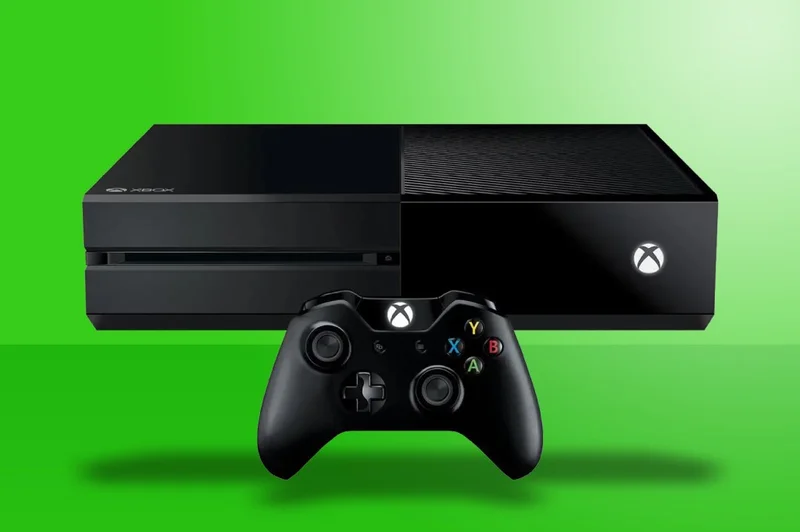
Xbox Cloud Gaming and Fortnite: What's the Catch?
Generated Title: Xbox's Cloud Gaming Bet: Is Fortnite Enough to Close the Gap? Microsoft's gaming di...

Mars' New Rock: What We Know and Why I'm Not Impressed
So, Perseverance found a rock. Big deal. NASA's all excited, calling it a "visitor from outer space"...

Edel: What Happened?
Alright, let's get this straight. Another obituary. Another life reduced to bullet points. Joe Edel,...

AXS: More Than a Token, A Glimpse Into Our Digital Future
The Denver Anomaly: Why One Thursday in 2025 is a Secret Glimpse of Our Algorithmic Future Look, I w...

Palantir Stock (PLTR): The Hype, The Price, and Why It's Not Nvidia
So, let me get this straight. The U.S. Army hands a nine-figure contract to the tech-bro darlings of...